
في ظل الانتهاكات الجسيمة التي عانى منها الشعب السوري خلال سنوات الثورة، بما في ذلك الاعتقال التعسفي والاختفاء القسري والتهجير القسري وسوء المعاملة، خلّفت هذه الممارسات آثارًا بالغة تتجاوز الضحايا المباشرين لتطال عائلاتهم، ولا سيما النساء والأطفال. وقد وجد الكثيرون أنفسهم عالقين في حالة طويلة من الفقدان والضياع وانعدام الحماية القانونية.
وبناءً على تحليل استراتيجي وتقييم ميداني أجرته مؤسسة ميزان للدراسات القانونية وحقوق الإنسان، تبيّن أن عائلات الضحايا تواجه تحديات معقدة ومتداخلة. وتشمل هذه التحديات أزمات قانونية معقدة ناجمة عن غياب أحبائهم، إلى جانب معاناة نفسية متفاقمة بسبب الصدمات النفسية والحزن الممتد وغياب العدالة والمساءلة.
ويستجيب هذا المشروع، المدعوم من صندوق الأمم المتحدة للتبرعات لضحايا التعذيب، لهذه الاحتياجات الملحة من خلال توفير دعم قانوني متكامل - يشمل إجراءات تسجيل الوفيات وقضايا الميراث والمطالبات القانونية - إلى جانب دعم نفسي اجتماعي متخصص يهدف إلى تخفيف الأرق والألم الناتج عن الحزن والاضطرابات النفسية والعقلية. يهدف المشروع إلى تعزيز قدرة الأسر على التكيف والصمود، والمساعدة في استعادة الحد الأدنى من الاستقرار والكرامة الإنسانية.
المكون القانوني
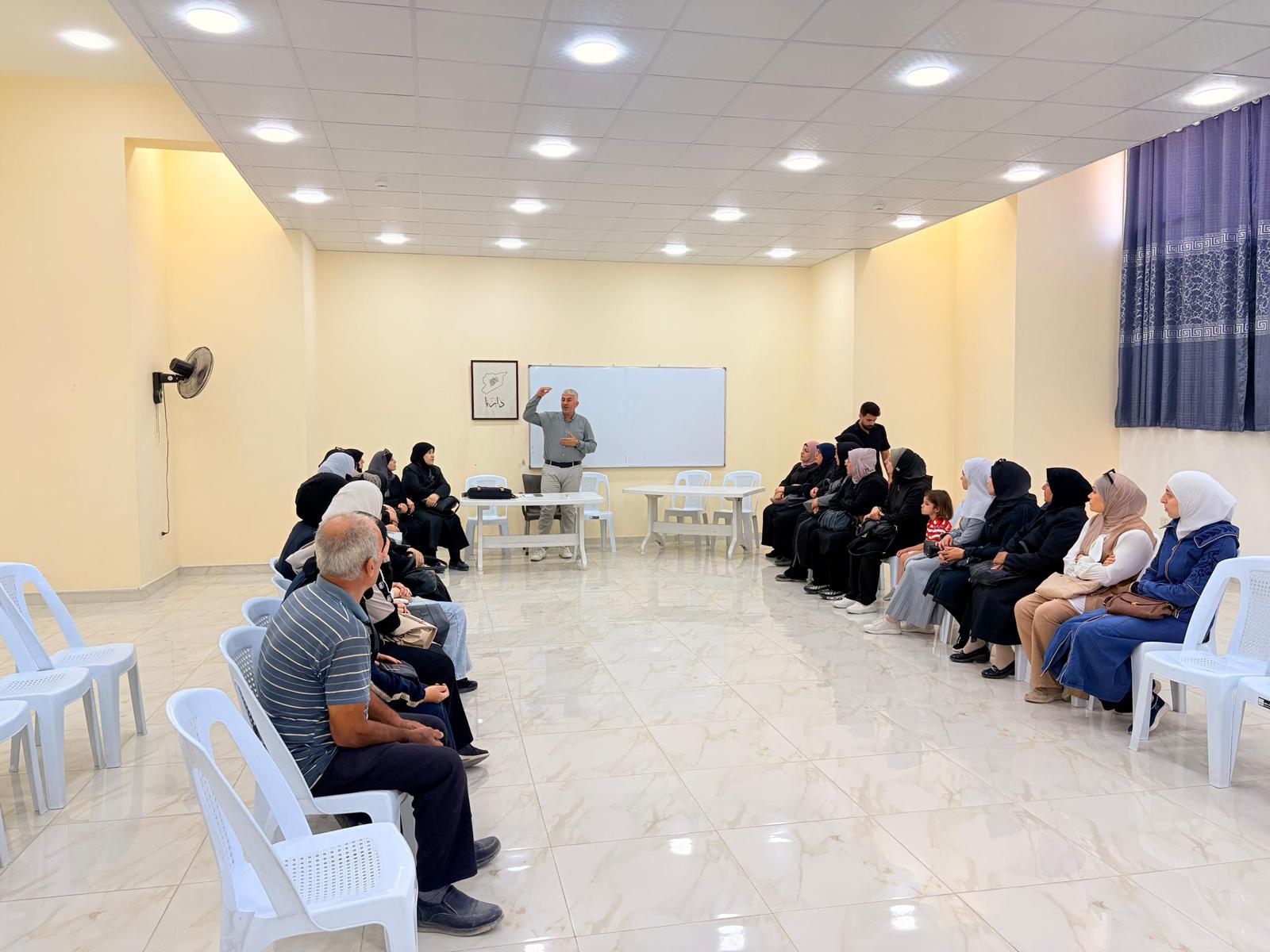
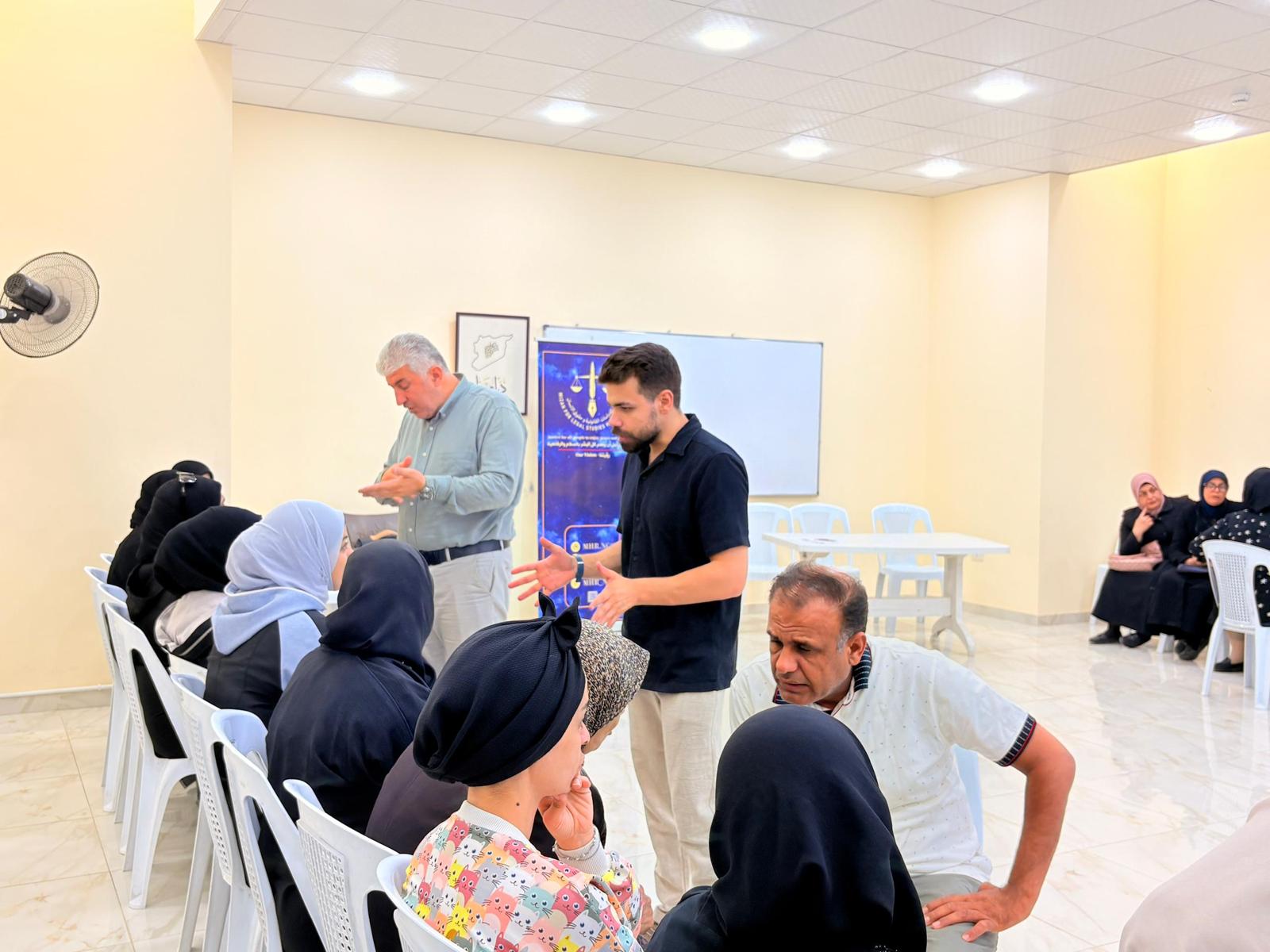
نفذت المنظمة سلسلة من الإجراءات القانونية للحصول على أحكام قضائية بوفاة المفقودين. شملت هذه الإجراءات تقديم الاستشارات القانونية، وإعداد التوكيلات، والتنسيق مع النيابة العامة، ورفع الدعاوى أمام المحاكم المختصة، وصولاً إلى التسجيل الرسمي للوفاة في السجل المدني.
استهدفت هذه التدخلات عددًا من أسر المفقودين في داريا ودير الزور، لضمان حماية حقوقهم القانونية وتمكينهم من المطالبة بحقوقهم في الميراث وغيرها من الحقوق القانونية، مع الحفاظ على حقهم في محاسبة المسؤولين عن الاختفاء القسري من خلال آليات العدالة الانتقالية.
المكون النفسي الاجتماعي
يوثق هذا المكون أكثر الاضطرابات النفسية شيوعًا بين النساء وأسر المفقودين، ولا سيما الصدمة النفسية، والاكتئاب، والقلق، والأرق، وسرعة الانفعال، نتيجة للفقدان القسري، وحالة عدم اليقين المطولة، وغياب العدالة.
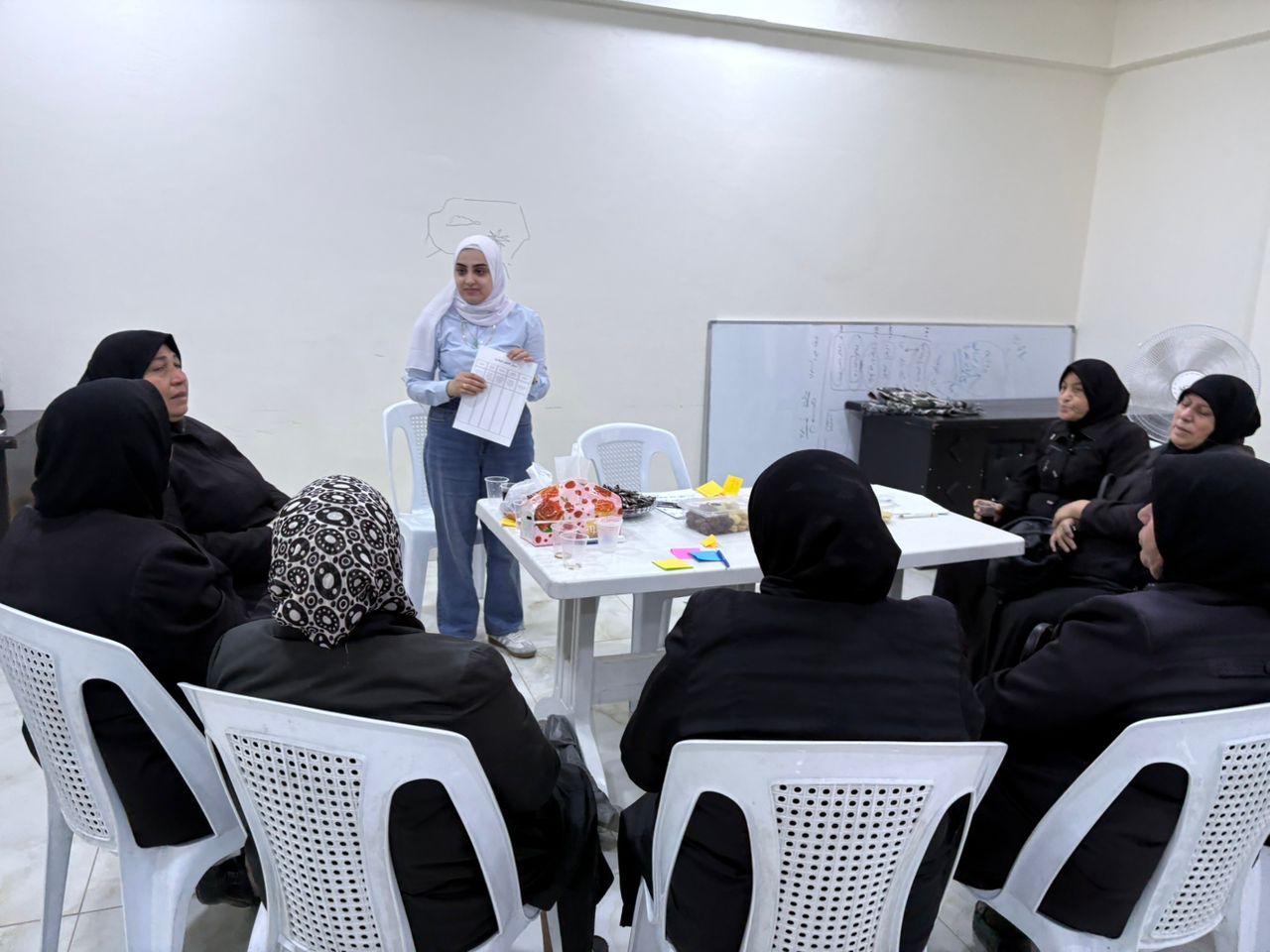
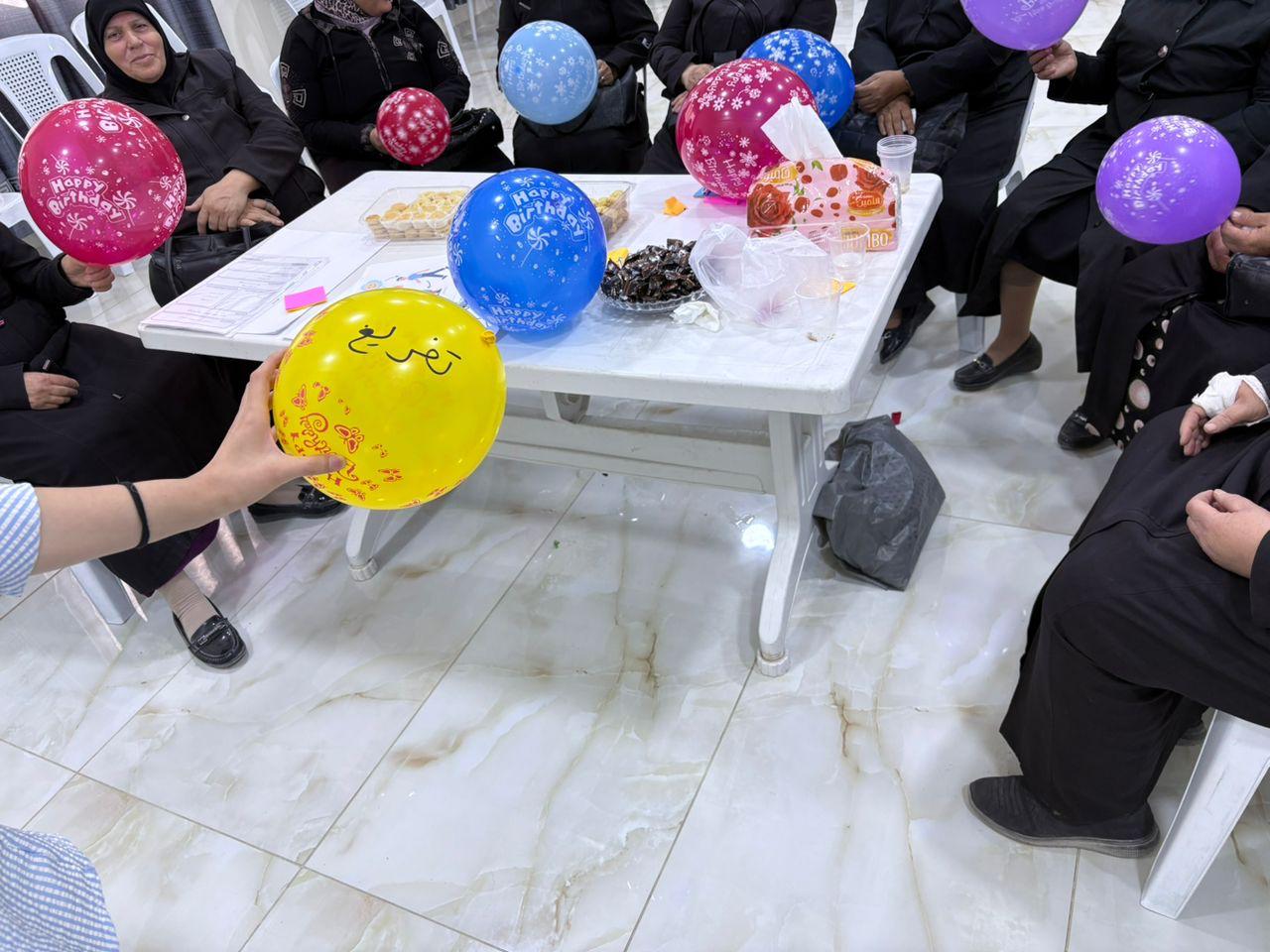
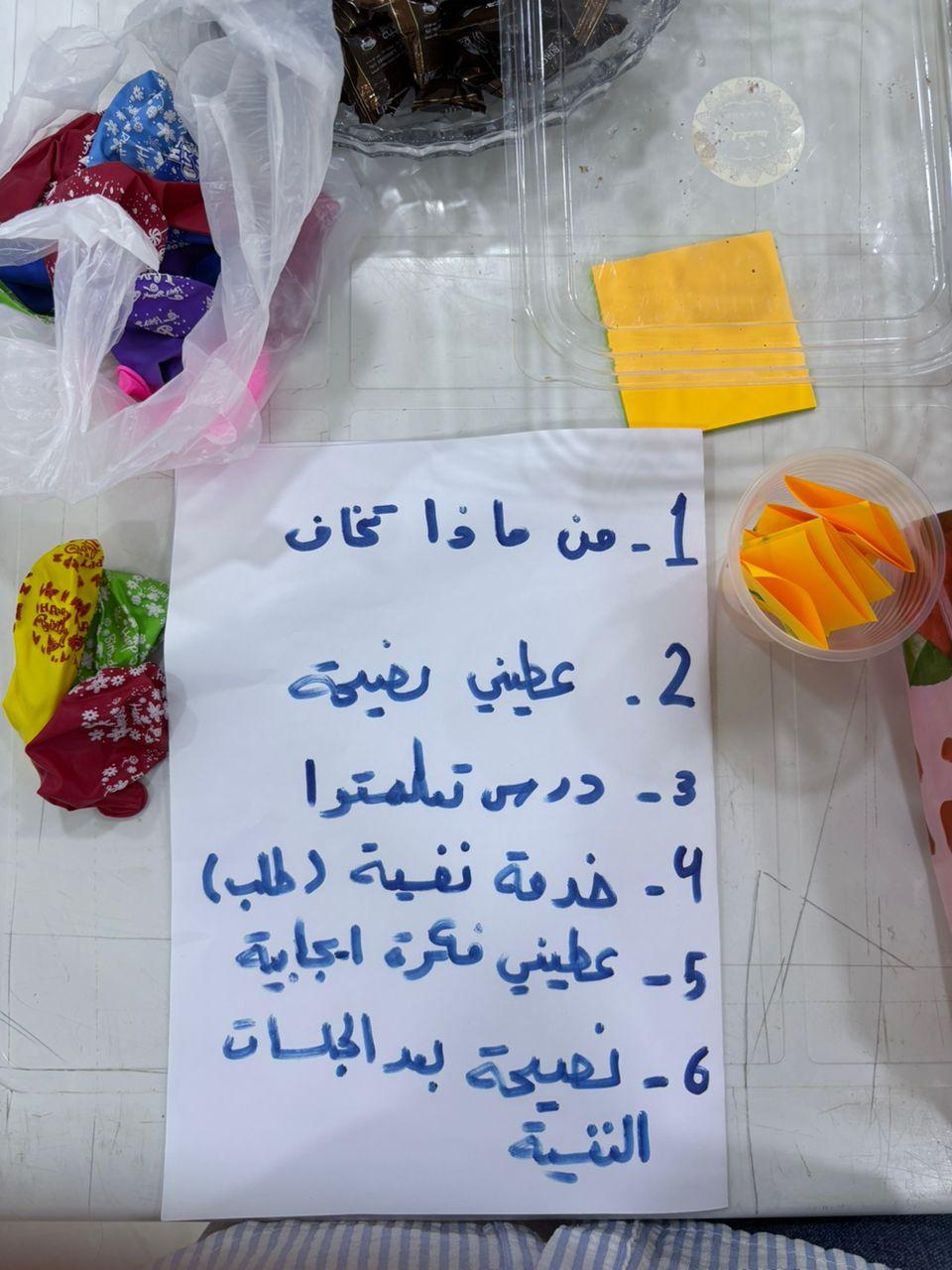
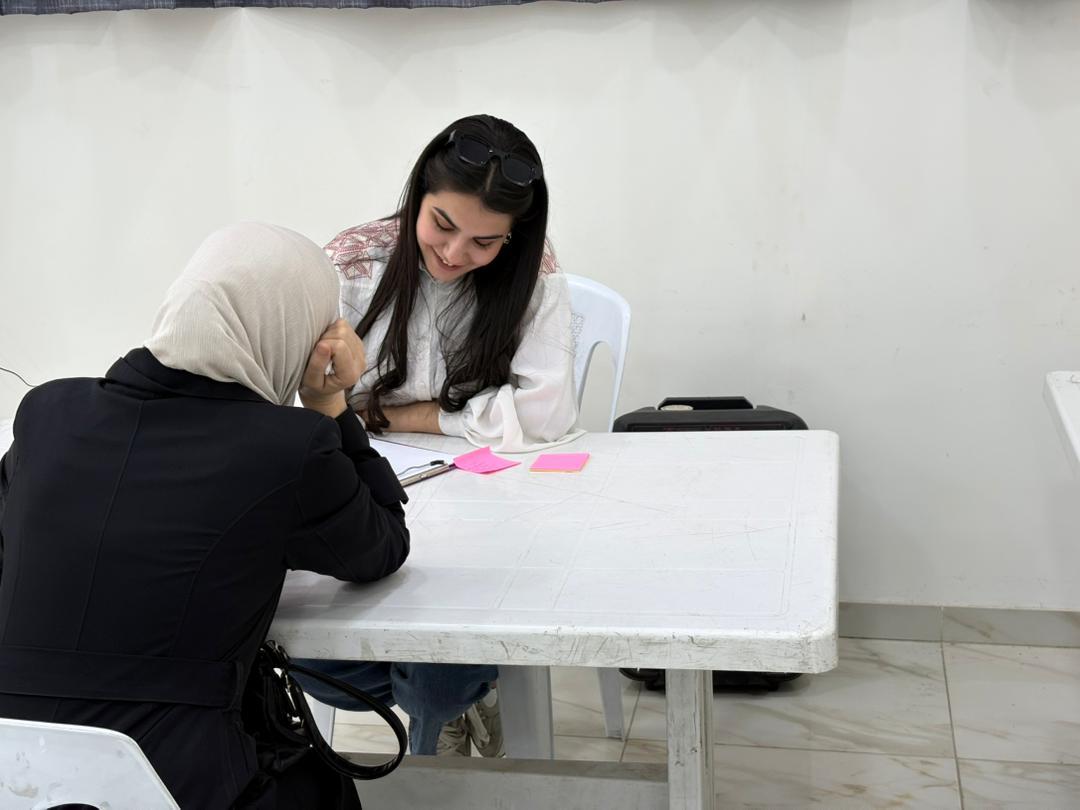
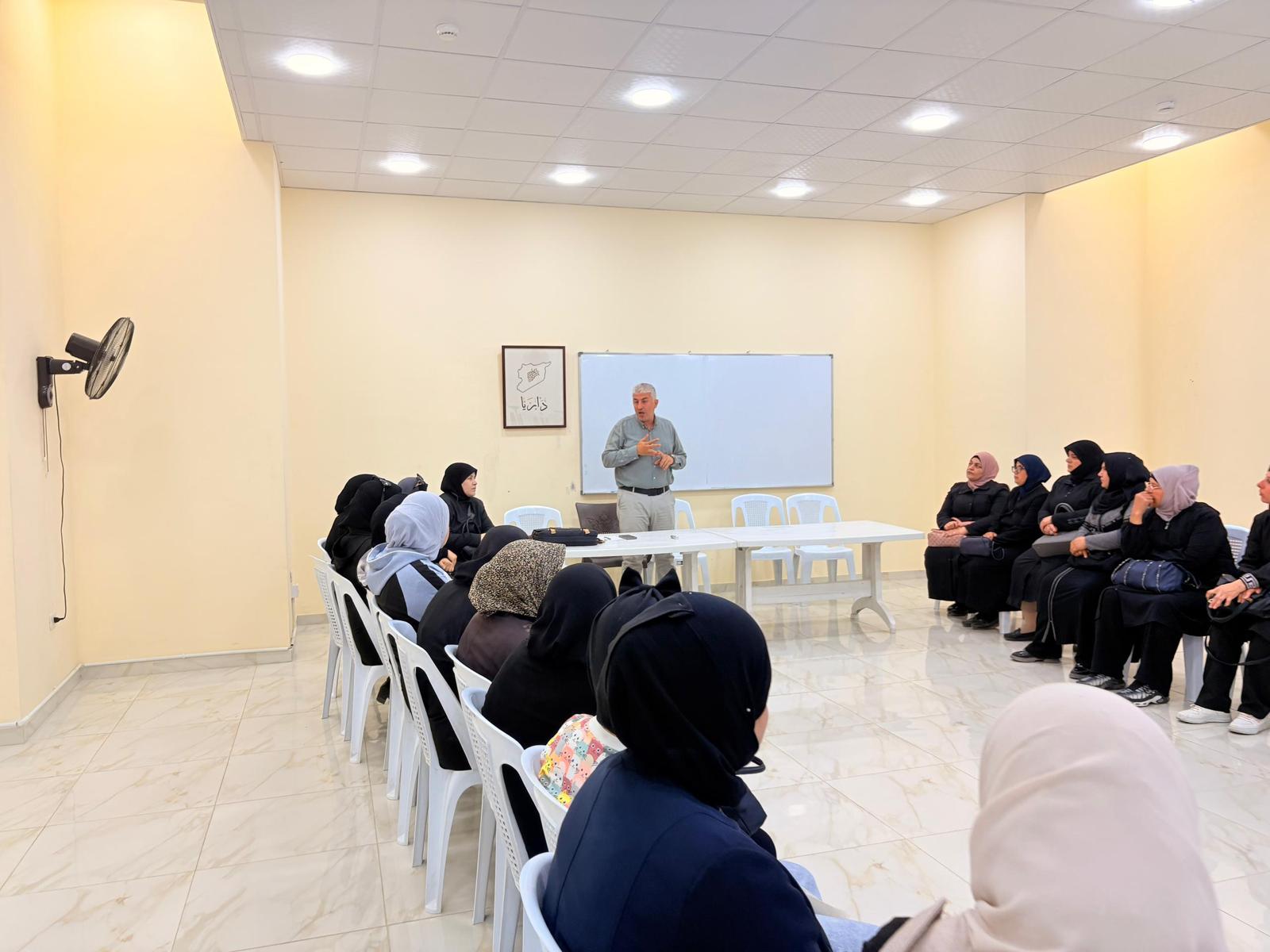
كما يُحدد هذا التقرير التدخلات العلاجية المُطبقة، بما في ذلك الدعم النفسي والاجتماعي الفردي، وتقنيات الاسترخاء، والعلاج السلوكي المعرفي، والأنشطة التي تهدف إلى تعزيز المرونة النفسية وآليات التكيف الفعّالة.
ويُبرز هذا التقرير الأثر الإيجابي لهذه التدخلات على الصحة النفسية، والعلاقات الاجتماعية، وجودة الحياة بشكل عام، مع التأكيد على أن التعافي النفسي عملية تدريجية تتطلب وقتًا واستمرارية ودعمًا متواصلًا.
.
Gallery
معرض الصور
.